
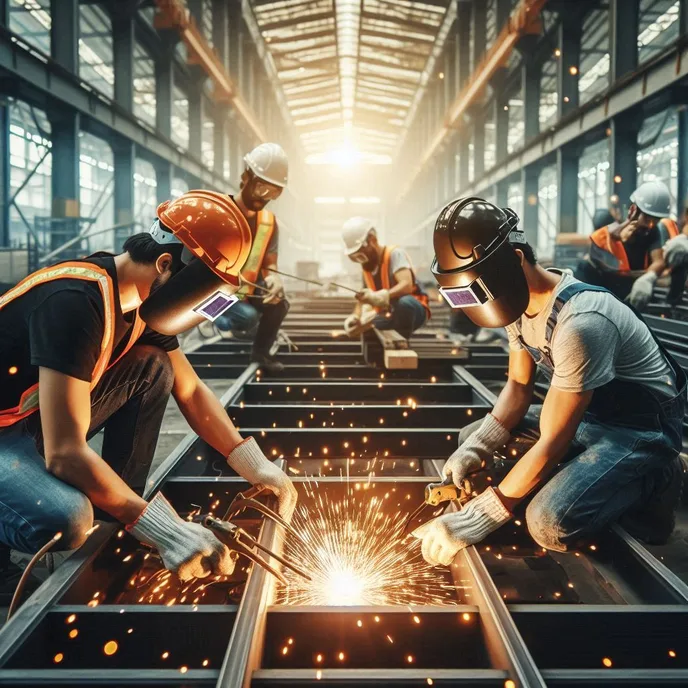
Refractory Installation and inspection
Refractory Installation and inspection

- 7-day money-back guarantee
- Session recordings included
- Certificate of completion
Why enroll
Achieving expertise in Refractory Installation and Inspection can significantly enhance your career in industries like cement, steel, and petrochemicals, leading to roles like Refractory Engineer, Installation Manager, or Inspection Specialist, with median salaries ranging from $80,000 to over $120,000. With this training, you'll gain in-depth knowledge of installing, maintaining, and inspecting refractory systems, ensuring optimal performance and longevity. This expertise will also equip you to select materials, design installations, and troubleshoot issues. As a certified professional, you'll be highly valued for your ability to ensure refractory system integrity, efficiency, and safety, and your skills will be in high demand by companies seeking to minimize downtime and optimize production.
Your instructor
Chaitanya Purohit
Founder
Consultant
31+ yrs experience·India
Is this course for you?
You should take this if
- You work in Aerospace or Automotive
- You're a Chemical & Process / Mechanical Engineering professional
- You prefer live, instructor-led training with Q&A
You should skip if
- You need a different specialisation outside Chemical & Process
- You need fully self-paced, on-demand content
Course details
This course on Refractory Installation and Inspection provides a comprehensive understanding of the materials, methods, and quality control practices involved in refractory systems used in high-temperature industrial applications. Participants will learn about different types of refractory materials, including bricks, castables, and insulating products, along with their properties and selection criteria. The course covers proper installation techniques such as lining, anchoring systems, curing, and drying processes to ensure durability and performance. It also emphasizes safety practices and standards followed during installation activities.In addition, the program focuses on inspection methods, including visual checks, dimensional verification, and non-destructive testing techniques to assess the integrity of refractory linings. Participants will gain practical knowledge of identifying common defects such as cracks, spalling, and erosion, along with their causes and preventive measures. The course also highlights maintenance strategies and repair techniques to extend the service life of refractory systems. Real-world case studies and practical examples are included to enhance understanding. By the end of the course, learners will be equipped with the skills required to ensure quality installation and effective inspection of refractory systems in industries like cement, steel, and petrochemicals.
Course suitable for
Key topics covered
Introduction to Refractories and Their Applications
Overview of refractory materials: definitions, classifications, and properties
Types of refractories: acidic, basic, neutral, and special-purpose refractories
Key industrial applications of refractories: furnaces, kilns, reactors, boilers, and incinerators
The role of refractories in high-temperature processes and thermal insulation
Factors influencing refractory performance: temperature, chemical exposure, mechanical stress
Properties of Refractory Materials
Key physical and chemical properties of refractories: thermal conductivity, melting point, porosity, and chemical resistance
Material selection criteria: high-temperature stability, resistance to slag and gases, and mechanical strength
Types of refractory materials: fireclay, alumina, silica, magnesia, and carbon-based refractories
Impact of material properties on refractory performance and life cycle
Selection of refractory materials based on specific operating conditions (e.g., temperature, slag, gas composition)
Refractory Installation Techniques
Overview of the installation process: preparation, application, curing, and testing
Dry ramming, gunning, casting, and bricklaying techniques for different refractory materials
Proper surface preparation before installing refractories (cleaning, priming, moisture control)
Ensuring proper mixing, handling, and placement of refractory materials for uniformity
Techniques for bricklaying and mortar application in large furnaces and kilns
Curing and drying processes to avoid cracking and ensure integrity
Quality control measures during installation
Safety Considerations in Refractory Installation
Safety hazards in refractory installation: heat, fumes, dust, and handling of heavy materials
Personal protective equipment (PPE) requirements: gloves, goggles, respiratory protection, and heat-resistant clothing
Safe practices when working with high-temperature equipment and materials
Emergency procedures and first-aid measures for accidents during installation
Working at height, confined space entry, and other safety considerations during installation
Ensuring compliance with OSHA and local safety standards for refractory installation
Inspection of Refractory Installations
Overview of the refractory inspection process: visual inspection, dimensional checks, and NDT methods
Visual inspection techniques for identifying defects such as cracks, spalling, and erosion
Non-destructive testing (NDT) methods: ultrasonic testing (UT), thermography, acoustic emission testing, and radiographic inspection
Measuring refractory thickness and wear: tools and techniques for accurate assessment
Identifying common defects in refractory linings: spalling, cracking, corrosion, and thermal degradation
Understanding the impact of operational factors on refractory wear: temperature cycling, mechanical stress, and chemical attack
Common Defects and Failure Modes in Refractories
Types of defects: cracking, spalling, erosion, and bulging
Causes of refractory failure: thermal shock, chemical reactions, improper installation, and mechanical damage
The impact of slag, molten metal, and gas corrosion on refractory life
Identifying and diagnosing thermal cycling effects and thermal shock damage
Preventing premature failure through proper material selection and installation methods
Case studies of common refractory failures and corrective actions
Refractory Maintenance and Life Extension
Importance of regular refractory inspections and maintenance
Strategies for extending the life of refractory linings: repairs, patching, and refurbishment
Maintenance practices for high-temperature equipment: routine cleaning, monitoring, and preventive care
Predictive maintenance techniques: monitoring refractory wear and anticipating failure
Selecting appropriate repair materials and methods for different types of refractory damage
Best practices for preparing refractories for shutdowns and turnarounds
Monitoring and Testing Refractory Performance
Techniques for monitoring refractory performance: thermal imaging, temperature sensors, and gas analysis
The role of temperature profiles in assessing the health of refractory linings
Stress analysis and measuring mechanical integrity of refractory materials
Using predictive modeling and software tools to assess refractory wear
Incorporating real-time data into maintenance and inspection strategies
Quality control tests: slag resistance, compressive strength, and thermal conductivity
Inspection Documentation and Reporting
Proper documentation practices for refractory inspections and repairs
Writing detailed inspection reports: findings, recommendations, and corrective actions
Compliance with industry standards and codes: ASTM, ISO, API, and other relevant regulations
Record-keeping for future inspections and maintaining a historical database of refractory performance
Creating maintenance schedules and action plans based on inspection results
Refractory Installation and Inspection Codes and Standards
Overview of relevant industry standards and codes: ASTM C-28, API 560, and ISO 1927
Understanding the role of codes and standards in ensuring the quality and safety of refractory installations
Ensuring compliance with local regulations and industry-specific requirements
The role of third-party inspections and certification agencies in verifying the quality of refractory work
Case studies of regulatory compliance in refractory projects
Trends and Innovations in Refractory Technology
Advancements in refractory materials: ultra-low cement castables, high-performance ceramics, and composites
Innovations in refractory installation techniques: robotic installation, shotcreting, and automated systems
Sustainable practices in refractory installation: reducing material waste, recycling, and energy-efficient technologies
The future of refractory inspection: digital tools, AI-based analysis, and smart sensors for real-time monitoring
Trends in refractory material development for new applications in high-tech industries (e.g., battery production, space exploration)
Opportunities that await you!
Career opportunities
Training details
This is a live course that has a scheduled start date.