Skip to main contentEngineering Courses, Mentoring & Jobs | EveryEng
How to prevent corrosion in the oil and gas industry banner
Live online Basic

How to prevent corrosion in the oil and gas industry
1996 views
COMPLETED
-
Next month
Shyama Ranade
Shyama Ranade
  • 7-day money-back guarantee
  • Session recordings included
  • Certificate of completion
Volume pricing for groups of 5+

Is this course for you?

You should take this if

  • You work in Oil & Gas or Pharmaceutical & Healthcare
  • You're a Chemical & Process / Civil & Structural professional
  • You prefer live, instructor-led training with Q&A

You should skip if

  • You need a different specialisation outside Chemical & Process
  • You need fully self-paced, on-demand content

Course details

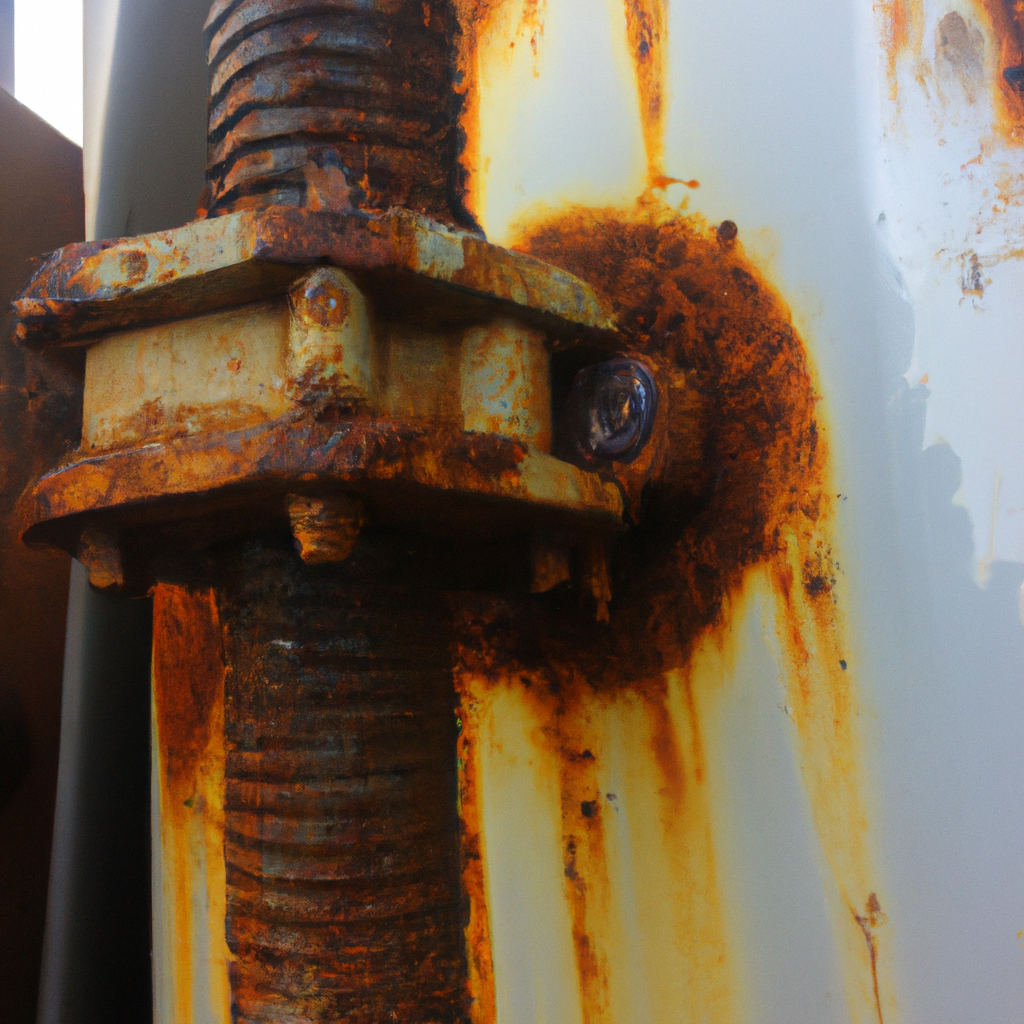
Corrosion is the most expensive aspect of the oil and gas industry. The complexity of the industry makes it tricky to navigate its prevention and mitigation.


Every group in the industry approaches the problem of corrosion in different ways.


There are several standards, organisations, and certifications which are used by the people involved in the corrosion prevention, such as API, AMPP, ARAMCO, SSPC, BGAS, etc,


This class will demystify the various approaches.


Here, you will learn the simplest way to understand and begin the process of solving corrosion issues.

Course suitable for

Key topics covered

  • Corrosion
  • Coatings, cathodic protection, and chemical treatment
  • Standards
  • Certifications
  • Resolution of corrosion issues

Opportunities that await you!

Career opportunities

Training details

This is a live course that has a scheduled start date.

Our Alumni Work At

Why people choose EveryEng

Industry-aligned courses, expert training, hands-on learning, recognized certifications, and job opportunities-all in a flexible and supportive environment.

COMPLETED

Coming in Next Month

Questions and Answers

Q: During offshore commissioning, you're asked to sign off temporary nitrogen purging as a corrosion safeguard on carbon steel pipework. The long‑tail issue the team is googling is: "does nitrogen purging prevent corrosion in oil and gas pipelines with residual seawater". The purge is continuous at 2 barg, O2 measured <1 vol%. What does this safeguard NOT protect against?

A: Picking the wrong assumption here leads to pitting that breaches the wall before first oil, even though oxygen numbers look clean. Nitrogen displaces oxygen and slows uniform oxidation on dry steel, and it reduces flash rust risk during short exposures. It does nothing to stop chloride concentration cells under residual water or scale; those pits propagate without free oxygen in the bulk gas. Offshore hydrotest residues plus carbon steel equals a focused failure mechanism the purge can’t touch.