
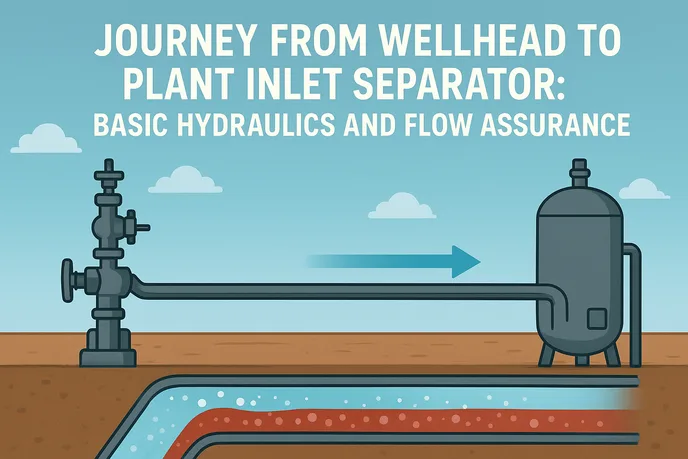
Multiphase flow line and Trunk line Basic Hydraulics and Flow Assurance
8 enrolled
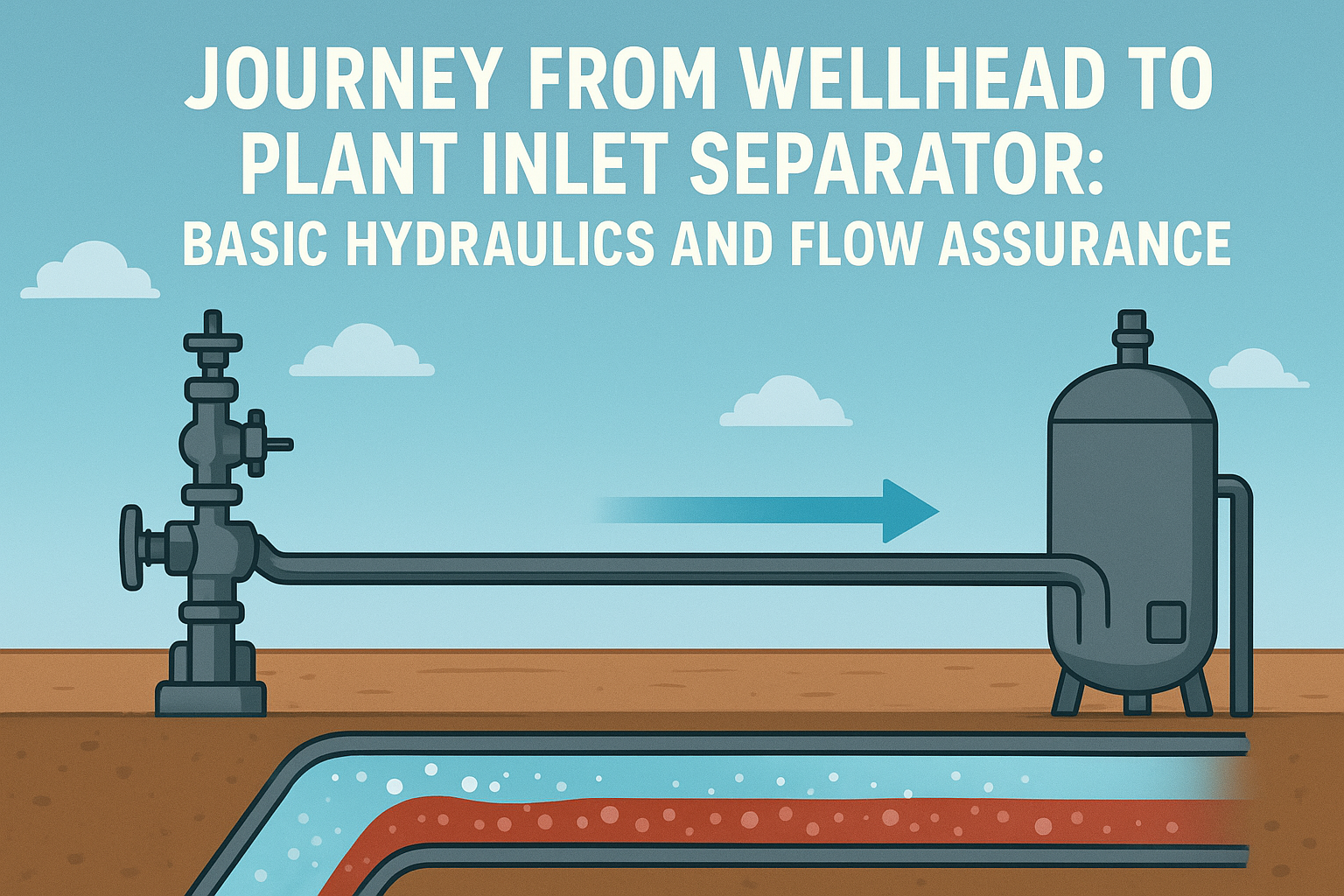
Multiphase flow line and Trunk line Basic Hydraulics and Flow Assurance

- Lifetime access
- Certificate of completion
- Foundational Learning
- Access to Study Materials
Why enroll
Is this course for you?
You should take this if
- You work in Oil & Gas or Pharmaceutical & Healthcare
- You're a Chemical & Process professional
- You want to build skills in Engineering & Design
- You prefer self-paced learning you can revisit
You should skip if
- You need a different specialisation outside Chemical & Process
- You need live interaction with an instructor
Course details
Course suitable for
Key topics covered
Course content
The course is readily available, allowing learners to start and complete it at their own pace.
Opportunities that await you!
Skills & tools you'll gain
Career opportunities
Course Attachments
Our Alumni Work At










































Why people choose EveryEng
Industry-aligned courses, expert training, hands-on learning, recognized certifications, and job opportunities-all in a flexible and supportive environment.
What learners say about this course

nice

The topics looked familiar, but the depth surprised me. Coming from an oil and gas operations role, multiphase flow regimes and basic pressure loss calculations are things dealt with regularly, but the course tied them together better from wellhead through flowline and trunk line. The sections on slugging behavior and hydrate formation were especially relevant to a brownfield tie-in project recently handled, where unstable flow kept tripping the inlet separator.One challenge was working through the simplified hydraulics without immediately leaning on software. Estimating frictional losses and elevation effects by hand took some effort, especially when visualizing how liquid loading builds up in low spots. That said, the struggle was useful. A practical takeaway was learning how to do quick back-of-the-envelope checks to validate OLGA results before accepting them in a design review.Coverage of wax deposition and basic mitigation options also filled a knowledge gap, particularly for long trunk lines with declining temperatures. The examples felt close to real field conditions rather than textbook cases. Overall, the content felt aligned with practical engineering demands.

This course turned out to be more technical than I anticipated. The sections on multiphase flow regimes and frictional pressure drop in oil & gas flowlines went beyond textbook sketches and actually tied back to how trunk lines behave under changing GOR and water cut. Coverage of hydrates and wax deposition was especially useful, since those issues tend to sit at the intersection of hydraulics and operations rather than pure design. One challenge was reconciling the simplified hydraulic calculations with what’s typically seen in the field. Steady‑state assumptions work for screening, but edge cases like terrain-induced slugging or cold restart scenarios clearly need transient thinking, which is closer to current industry practice in larger energy utilities pipeline networks. That gap was acknowledged, which I appreciated. A practical takeaway was the structured way to sanity-check pressure losses and liquid loading before jumping into a simulator. That approach is similar to what’s done in chemical and pharmaceutical utility systems—do a first-pass hand calc to catch bad inputs early. Overall, the course helped connect wellhead conditions to inlet separator performance at a system level. It definitely strengthened my technical clarity.

Initially, I wasn’t sure what to expect from this course. Coming from an oil & gas operations background, the basics of flowlines and trunklines sounded familiar, but the way hydraulics and flow assurance were tied together actually filled a gap I’ve had for a while. The sections on multiphase flow behavior and frictional pressure drop were especially relevant to a brownfield tie-in project I’m supporting. One challenge was working through the simplified hydraulic calculations without jumping straight to software. It took some effort to slow down and really interpret how elevation changes and liquid loading affect pressure losses. That said, it helped clarify why some of our field pressure data never quite matched the model assumptions. Topics like slugging, hydrates, and wax deposition were explained in a practical oil & gas context, not just theory. There was also a useful crossover to energy utilities thinking, especially around steady-state versus transient behavior in long pipelines. A practical takeaway was learning a quick sanity-check approach for flowline pressure drops before relying on simulators. That’s something already being applied in day-to-day troubleshooting. It definitely strengthened my technical clarity.